How to go Backwards with Screen Time
How to go backwards with screen time
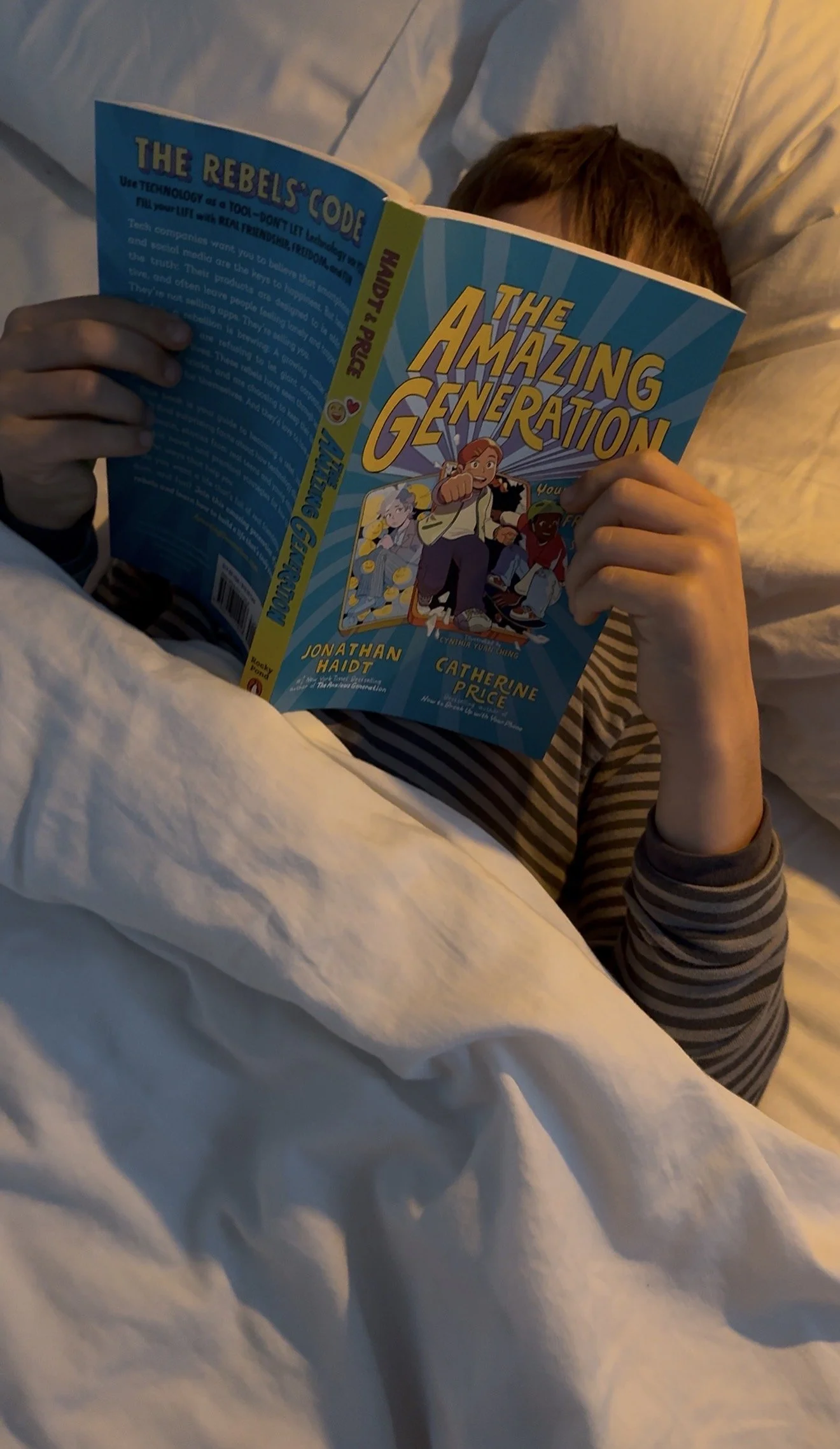
My older two are currently reading The Amazing Generation by Jonathan Haidt. Linking here as I think it can be really helpful in the conversation.
Step 1: Reset Your Mindset (Parent First)
• No guilt, only growth: Screen overuse is common. You’re not “undoing damage” but creating a healthier environment moving forward.
• Anchor in connection: Waldorf emphasizes rhythm, relationship, and modeling. Your child will follow your lead if you stay calm and confident.
• Talk positively about the change: Instead of “no more screens,” frame it as, “We’re going to have more time for play, stories, and family fun!”
Step 2: Gradual Reduction (Not Cold Turkey)
• Week 1–2: Cut screen time in half. If they watch 2 hours/day, reduce to 1 hour.
• Replace, don’t just remove: Swap screen sessions with inviting activities (crafts, baking, nature walks, sensory play).
• Create a “yes space”: A basket of open-ended toys (blocks, play silks, art supplies) so they can self-direct play without screens.
• Shift screens to predictable times: Only after meals or as part of a clear routine, then slowly fade them out.
Step 3: Introduce Rhythms & Rituals
• Morning: Outdoor time, music, or movement.
• Midday: Storytime, art, or baking together.
• Evening: Candle-lit or red light bedtime routine with reading to your child.
• Predictable rhythms reduce meltdowns because children feel secure and know what comes next.
Step 4: Rebuild Imagination
• Storytelling over screens: Read aloud or tell homemade stories (even silly ones).
• Creative play invitations: Wooden toys, play kitchens, dress-up, and nature-based play (sticks, stones, leaves).
• Involve them in real life: Cooking, gardening, and small “helping jobs” give them purpose and keep them engaged without screens.
Step 5: Detox the Nervous System
• Screen-heavy kids often crave stimulation. Waldorf-inspired detox tools:
• Nature immersion: At least 1–2 hours outside daily.
• Music & rhythm: Singing simple songs or using percussion instruments to anchor their energy.
• Sensory play: Water tables, sand, playdough, or baking bread. These regulate the nervous system.
Step 6: Explain in Child-Friendly Language
For ages under 7, keep it simple:
• “Screens can be fun, but they make it hard for our brains to rest. We’re going to play more, read stories, and have special family time instead!”
Step 7: Hold Boundaries with Compassion
• Expect pushback. Validate feelings: “I know you really want your iPad. It’s hard when we change things. But we’ll do something fun together instead.”
• Stay calm and consistent, over time resistance fades.
Step 8: Model the Change
• Reduce your own screen use around your child.
• Choose family “connection over distraction.” Kids mirror what they see.
Step 9: Celebrate Progress
• Notice and praise small wins: “You played with your blocks for so long without a screen: your imagination is growing!”
• Keep screen-free rituals special (Sunday pancake breakfasts, bedtime stories, nature walks).
Script: “Instead of another show, let’s bake muffins together! You can be my helper chef. After we’re done, we’ll eat them while we read a story.”
Script: “Screens can be fun, but nature gives our brains superpowers. Let’s go find the coolest stick and turn it into a magic wand!”
Script: “Today is our adventure day so no screens, just fun! We’re going to fill it with stories, games, and outside play. Tomorrow, you can tell me what your favorite part was!”
Key Tips for Parents
Stay calm when there are meltdowns: “I hear you’re upset. I know you really want your iPad.” Sit with their discomfort. Then you can say “Let’s choose a fun thing to do together instead.” You can also offer physical comfort: screens overstimulate the nervous system so hugs and rhythm can help them regulate. And remember to be consistent and keep going! By the end of the week, most kids will be more engaged in play and less dependent on screens.